 en
en
 Français

Fontevraud-l'Abbaye (Maine-et-Loire) and Blangy-le-Château (Calvados) have joined the ‘Most Beautiful Villages of France’!
On Friday 21 June and Saturday 22 June 2024, the Quality and Accreditation Committee of the “Most Beautiful Villages of France” met in Barfleur (Manche) to examine the applications of three villages and the renewal of accreditation for seventeen listed villages. Following its deliberations, Fontevraud-l’Abbaye (Maine-et-Loire) and Blangy-le-Château (Calvados) were approved by the body responsible for classification decisions within the national network, whilst the 17 member villages had their certification renewed. “Les Plus Beaux Villages de France” now comprises 178 destinations spread across 14 regions and 70 departments.
Fontevraud-l'Abbaye (Maine-et-Loire), the village in the spotlight
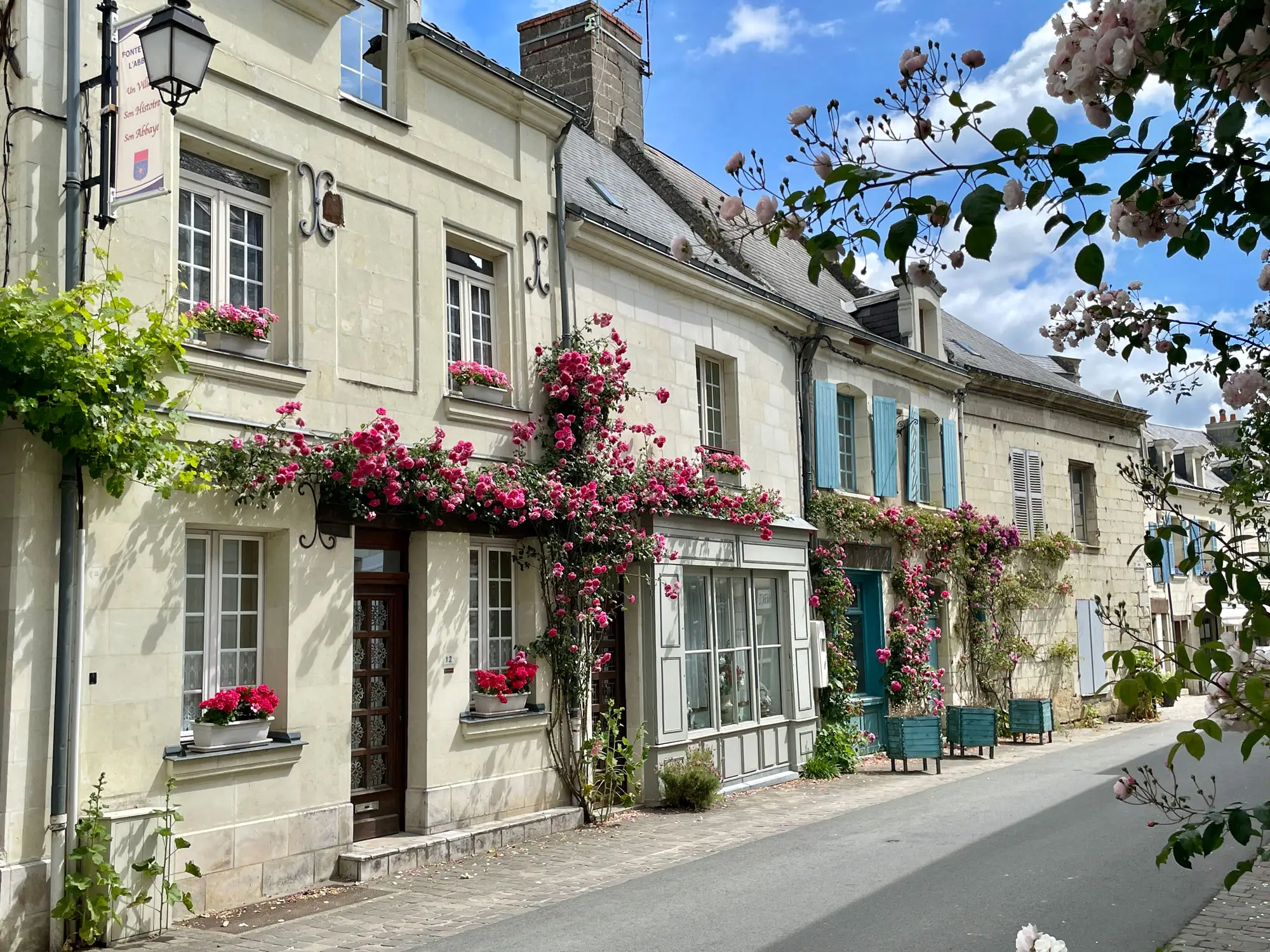
About fifteen kilometres from Saumur, on the borders of Anjou, Poitou and Touraine, lies the royal abbey of Fontevraud, built in the 12th century, still shines with its exceptional beauty and history. This majestic Renaissance monastic complex, the largest of its kind preserved in France, which houses the recumbent effigies of the Plantagenet kings, gave rise to the village… as its name suggests, in fact! But today, it is the village itself that takes centre stage! The members of the Quality and Accreditation Committee of the ‘Most Beautiful Villages of France’ have indeed recognised the significant efforts made by the local council to enhance public spaces since its first application in 2010.
After Montsoreau, situated just five kilometres away, Fontevraud-l’Abbaye thus becomes the second village in Maine-et-Loire to receive the label and the fourth in the Pays de la Loire region.
Blangy-le-Château, the ‘Little Rome’ of Calvados
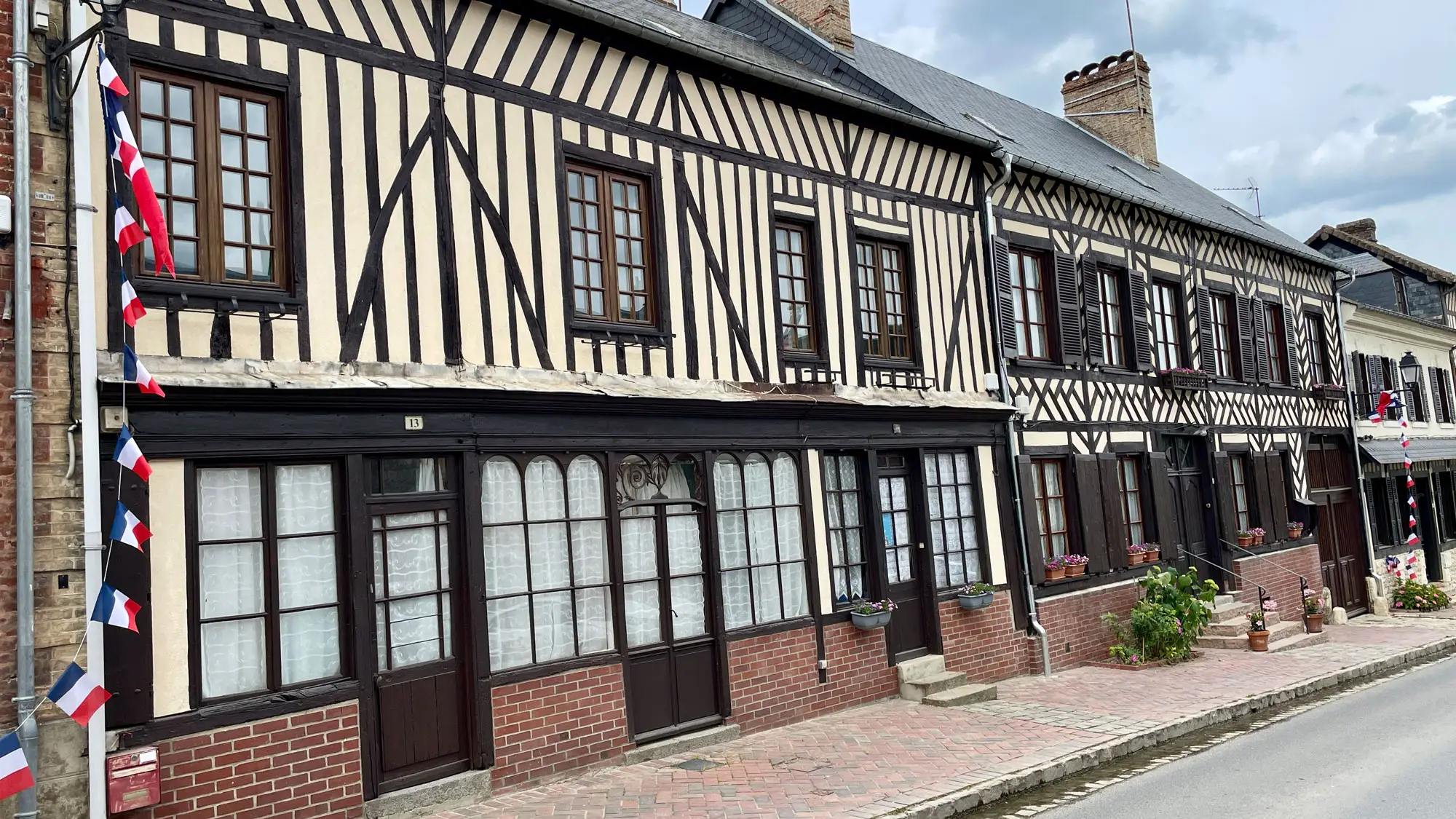
Almost halfway between Pont-l’Évêque and Lisieux, Blangy-le-Château (Calvados) is one of the typical villages of the Pays d’Auge, combining 16th- and 18th-century half-timbered houses with 19th-century brick buildings. Whilst the castle referred to in the village’s name was destroyed during the Hundred Years’ War – of which only a few ruins remain today – the village itself was spared the ravages of the Second World War. Surrounded by seven hills and crossed by two rivers, the watercourses of which are highlighted in the village centre by a ‘fil de l’eau’ (waterway), its natural setting has earned it the nickname the ‘Little Rome of Calvados’. It was the harmony of this setting that won over the members of the Quality and Certification Committee of the ‘Plus Beaux Villages de France’ (Most Beautiful Villages of France).
Blangy-le-Château joins its neighbour, Beuvron-en-Auge, the first village in the department to be listed, and the six other certified villages in Normandy.
