 en
en
 Français

In the footsteps of writers in Les Plus Beaux Villages de France
Some villages have a special charm that attracts artists and writers in search of inspiration. Among Les Plus Beaux Villages de France, several have welcomed iconic figures from the world of literature, who were captivated by the beauty of the surroundings and the tranquillity that lends itself so well to writing. Join us as we follow in the footsteps of these authors who found refuge and inspiration in the heart of these gems of our heritage!
Must-See Villages and Their Writers
Discover some of Les Plus Beaux Villages de France through the eyes of writers. These places, steeped in history and culture, have inspired many famous authors. Immerse yourself in the literary world of these must-visit destinations and let the words of the great writers guide you.
Saint-Cirq-Lapopie: André Breton’s favourite place
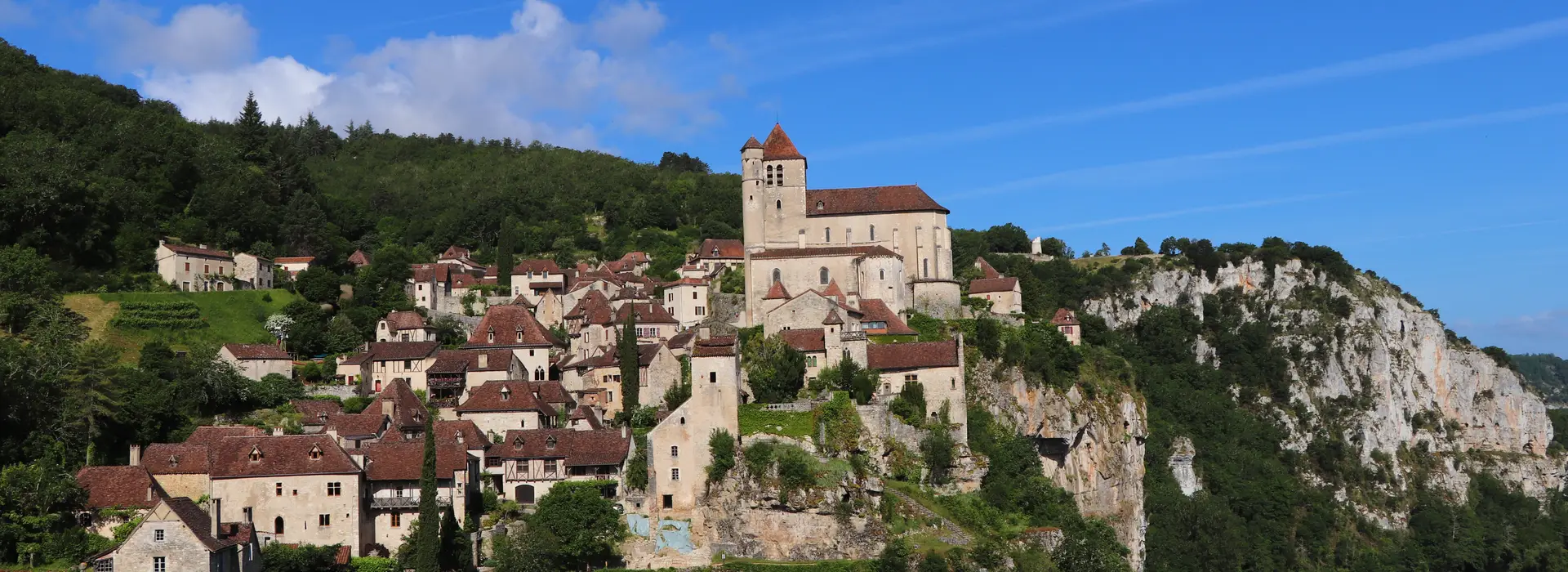
Perched on a cliff overlooking the River Lot, Saint-Cirq-Lapopie captivated the heart of the Surrealist poet André Breton. In 1950, he fell head over heels in love with this village, declaring: ‘I no longer long to be anywhere else’.
Even today, this artistic legacy endures. The village continues to attract painters, sculptors and artists, inspired by its unique atmosphere and its well-preserved medieval heritage.
Not to be missed:
- The International Centre for Surrealism and Global Citizenship, which brings together the homes of André Breton and the collector Émile-Joseph Rignault, offers a space for exhibitions and reflection on art.
- Maison Daura, an international artists’ residence, welcomes artists from all over the world to exhibit their work and develop their art in the heart of this enchanting setting.
Gargilesse-Dampierre: George Sand’s retreat
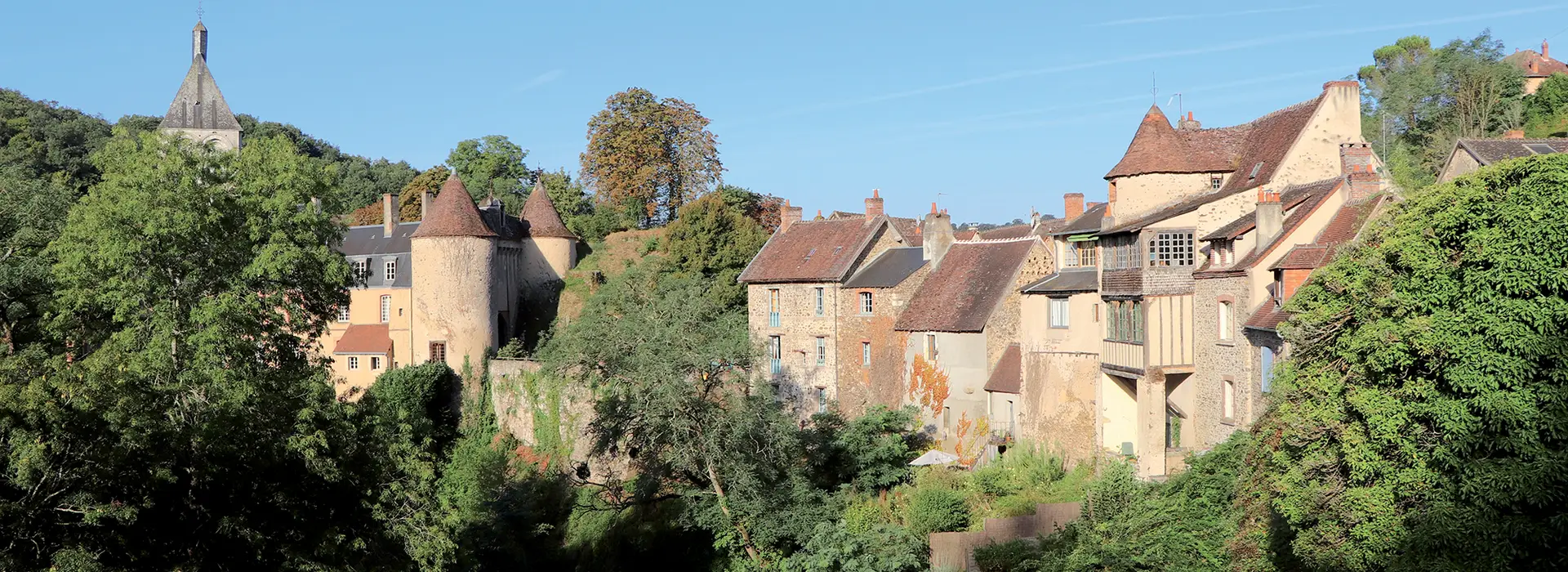
In the Creuse Valley, Gargilesse-Dampierre charms visitors with its relaxed way of life. George Sand, in search of inspiration and tranquillity, fell under the spell of this picturesque village. She settled there in 1857, captivated by the beauty of the surrounding countryside.
She regularly stayed at the Villa Algira with her partner Alexandre Manceau, making it her retreat where she could write in peace. It was here that she wrote several novels, including *Les Beaux Messieurs de Bois-Doré* and *L’Homme de neige*, and drew inspiration from the surrounding landscapes, which are evoked in *Le Péché de Monsieur Antoine*.
Even today, Gargilesse-Dampierre attracts painters, sculptors and musicians, drawn by the soft light and the landscapes of the Creuse.
Not to be missed:
- George Sand’s House, which has been preserved in its original state, is home to period furniture, personal belongings and mementoes from her stays in Gargilesse. A place steeped in history and emotion, where one can imagine Sand’s pen gliding across the paper.
- Every summer, the Gargilesse Harp Festival brings the village to life and keeps its cultural heritage alive.
Lourmarin: In the footsteps of Albert Camus and Henri Bosco
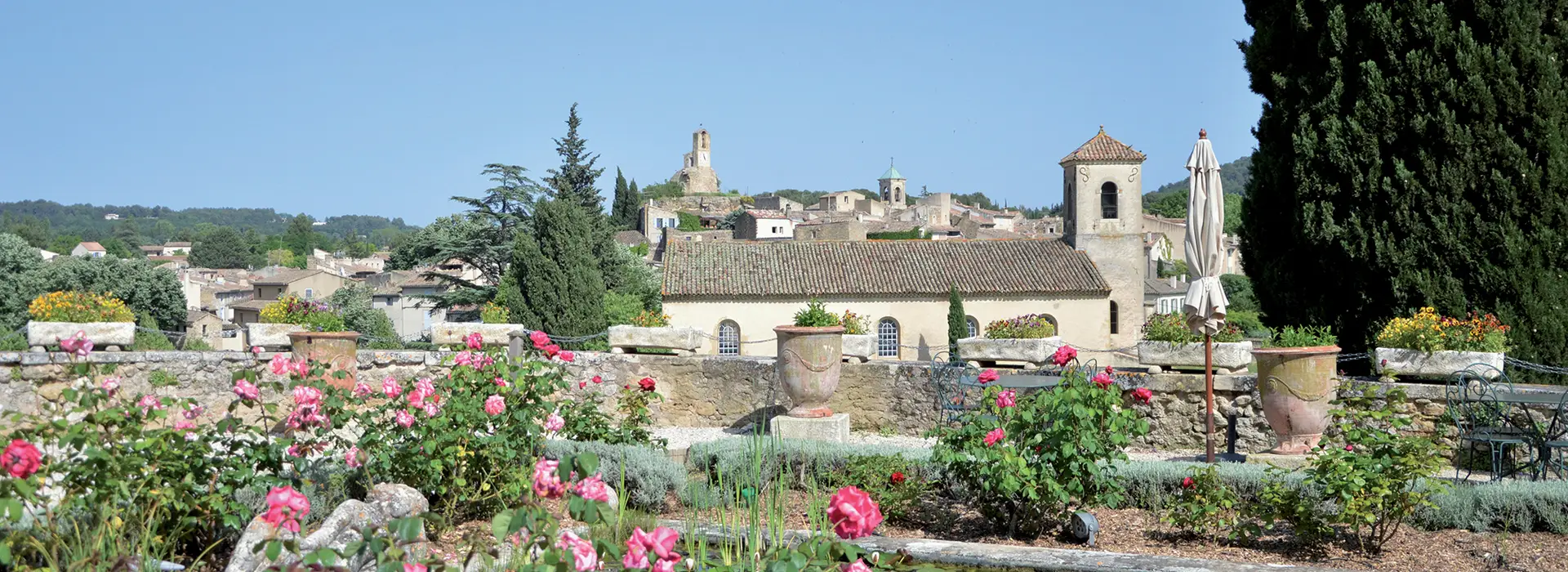
Management Lourmarin, in the heart of the Luberon, a village that has charmed not one, but two great writers: Albert Camus and Henri Bosco.
Henri Bosco, who fell in love with Lourmarin, played a key role in the restoration of its château, as part of the Laurent-Vibert Foundation. It was he who, captivated by the village, introduced Albert Camus to Lourmarin; Camus settled there and found it a haven conducive to writing. Both men helped to put Lourmarin on the map, anchoring the village in a literary and cultural heritage.
Not to be missed:
- Albert Camus’s grave, a simple and moving place of contemplation from which a guided tour of the village begins.
- Every summer, the ‘Estival Albert Camus’ festival, organised by the Rencontres Méditerranéennes, pays tribute to the writer’s socially conscious thought through lectures, readings and discussions.
- Lourmarin Castle, a Renaissance gem, saved by the Laurent-Vibert Foundation. Today, it hosts exhibitions and cultural events and continues its tradition as an artists’ residence, a role it has fulfilled since 1929.
Vézelay: Prosper Mérimée, guardian of our heritage
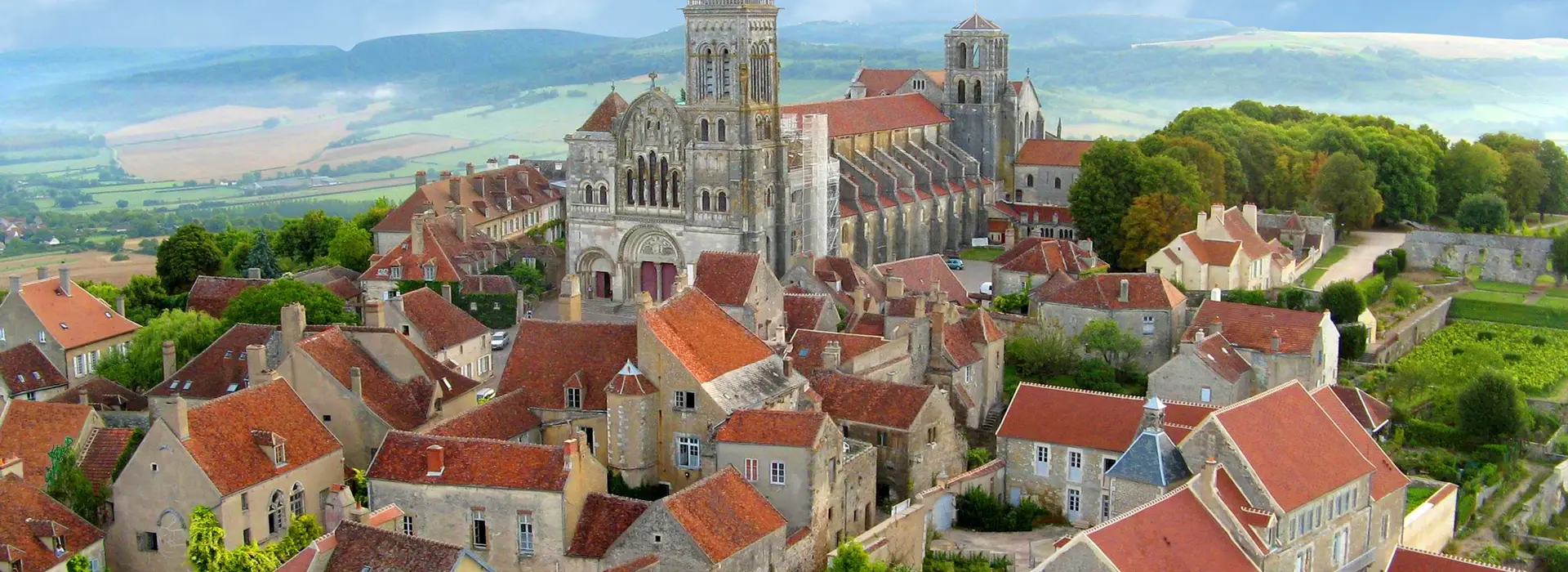
Perched on a hill overlooking the valleys of the Morvan, Vézelay captivates visitors as much with its majestic Basilica of Sainte-Marie-Madeleine as with its history, which is closely linked to Prosper Mérimée. As Inspector-General of Historic Monuments, the writer and architecture enthusiast played a vital role in the restoration of the basilica, which was threatened with ruin in the 19th century. Thanks to his commitment, Vézelay regained its splendour and became a major cultural and spiritual centre, now listed as a UNESCO World Heritage Site.
But Mérimée is not the only writer to have been inspired by Vézelay. Romain Rolland, winner of the Nobel Prize for Literature in 1915, settled there in 1938. In his house, now converted into the Zervos Museum, he wrote his *Journal de Vézelay*, an account of the Second World War, the Occupation and his commitment to pacifism.
Over the centuries, the village has become a haven for writers and artists. Jules Roy, captivated by the beauty of the site, settled there in 1978 and spent the last 20 years of his life there, leaving his mark on this inspiring place.
Not to be missed:
- The Maison Jules Roy, a house-museum that immerses visitors in the writer’s world and offers residencies for authors, thereby keeping alive Vézelay’s literary spirit.
- The Zervos Museum – Maison Romain Rolland, housed in the former home of the writer Romain Rolland, this museum is home to the private collection of the art critic Christian Zervos, featuring works by Picasso, Léger, Miró and many others.
- The Basilica of Sainte-Marie-Madeleine, a masterpiece of Romanesque art, was restored thanks to the initiative of Mérimée. Its sculpted capitals and ever-changing light create a unique atmosphere.
Grignan: Madame de Sévigné and her château
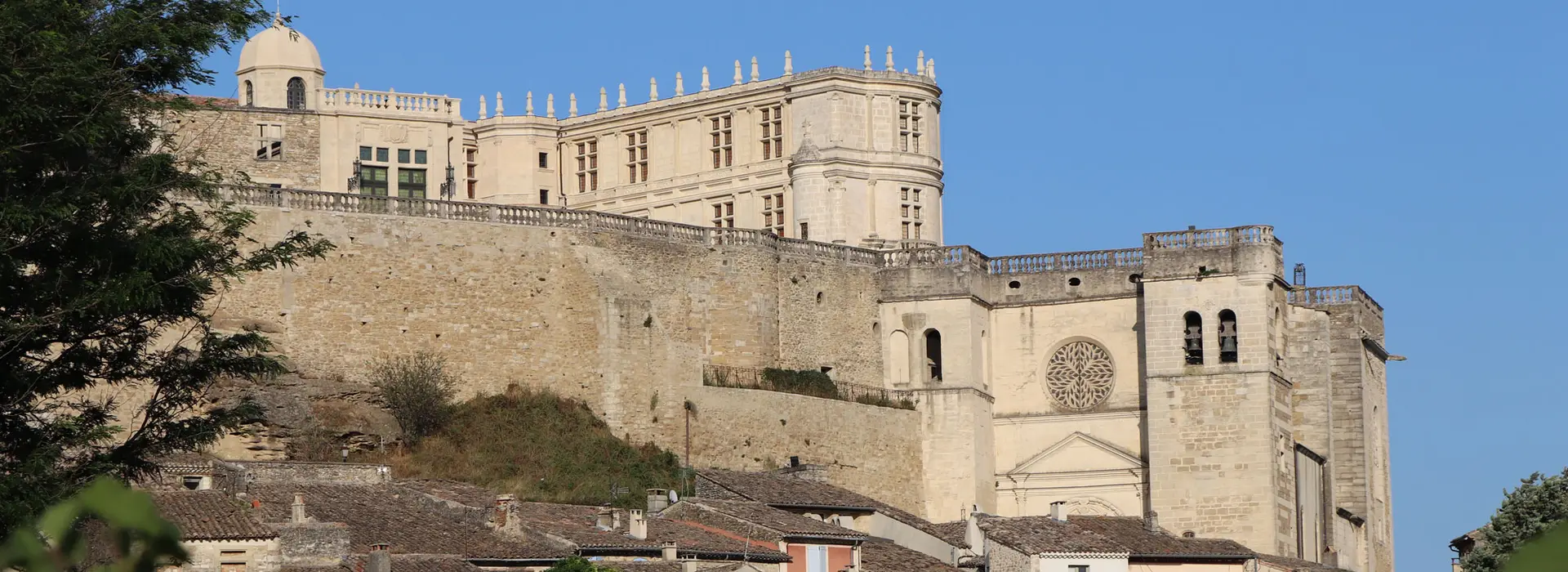
Grignan, in the heart of the Drôme Provençale, is inextricably linked with Madame de Sévigné. It was here, in the 18th century, that the writer celebrated the beauty of the château and the region’s exceptional landscapes in her famous letters.
She visited frequently to see her daughter, the Countess of Grignan, and it was in this enchanting setting that she found much of her inspiration. Her letters, full of sensitivity, are a true testament to the special atmosphere of this place.
Grignan Castle and the village’s picturesque narrow streets still offer visitors a deeper insight into the writer’s world today.
Not to be missed:
- Grignan Castle, a place steeped in history and culture which Madame de Sévigné loved to visit. Today, it hosts exhibitions and cultural events.
- The Jardin de Sévigné, created to mark the tercentenary of the author’s death, offers a splendid view of the château and the surrounding countryside.
Our top tips:
-
La Ferme Chapouton
Hôtel - restaurant -

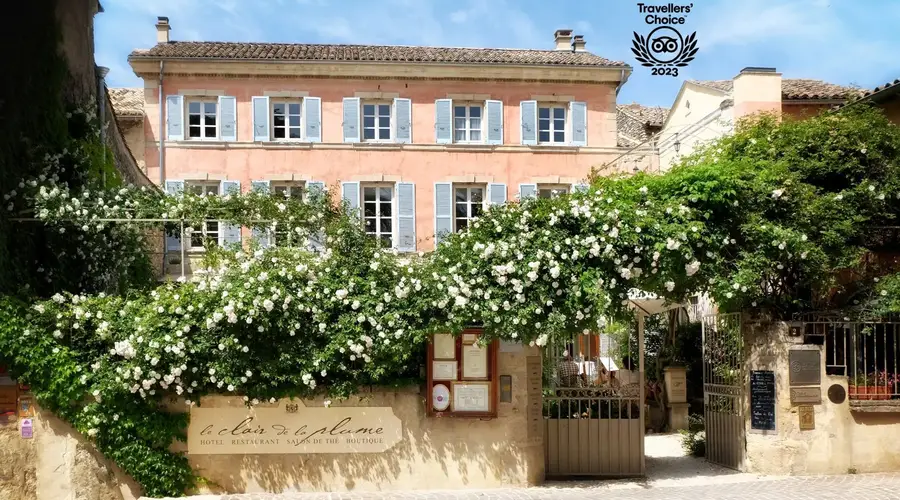
Le Clair de la Plume
Restaurant -
Le Clair de la Plume
Hôtel - restaurant

In the footsteps of writers: a timeless literary getaway
Exploring the Plus Beaux Villages de France in the footsteps of the writers who loved them is an experience that blends culture and heritage. Whether you’re a literature lover or simply curious, these destinations will offer you unforgettable moments. And that’s not all:
- Curemonte : the village that inspired Colette.
- Roussillon : Samuel Beckett’s favourite spot.
- ... And many other villages that echo the world of literature.
